Knowledge Hub
Fact-dense technical guides, paper specifications, and unboxing strategies crafted directly by our manufacturing experts to optimize your B2B supply chain.

The complete technical guide to paper weights (GSM) for corporate brochure printing. Learn which GSM art paper, soft-touch coatings, and binding choices yield the best B2B sales kits.

The technical guide to corrugated mailer boxes for D2C brands. Learn the difference between 3-ply and 5-ply, E-flute vs. B-flute, and inside-box printing to increase customer retention.

The standard B2B printing dimension reference guide. Learn the exact sizes of A4, A5, A6, and DL paper in millimeters, centimeters, and inches, with bleed and trim guidelines.
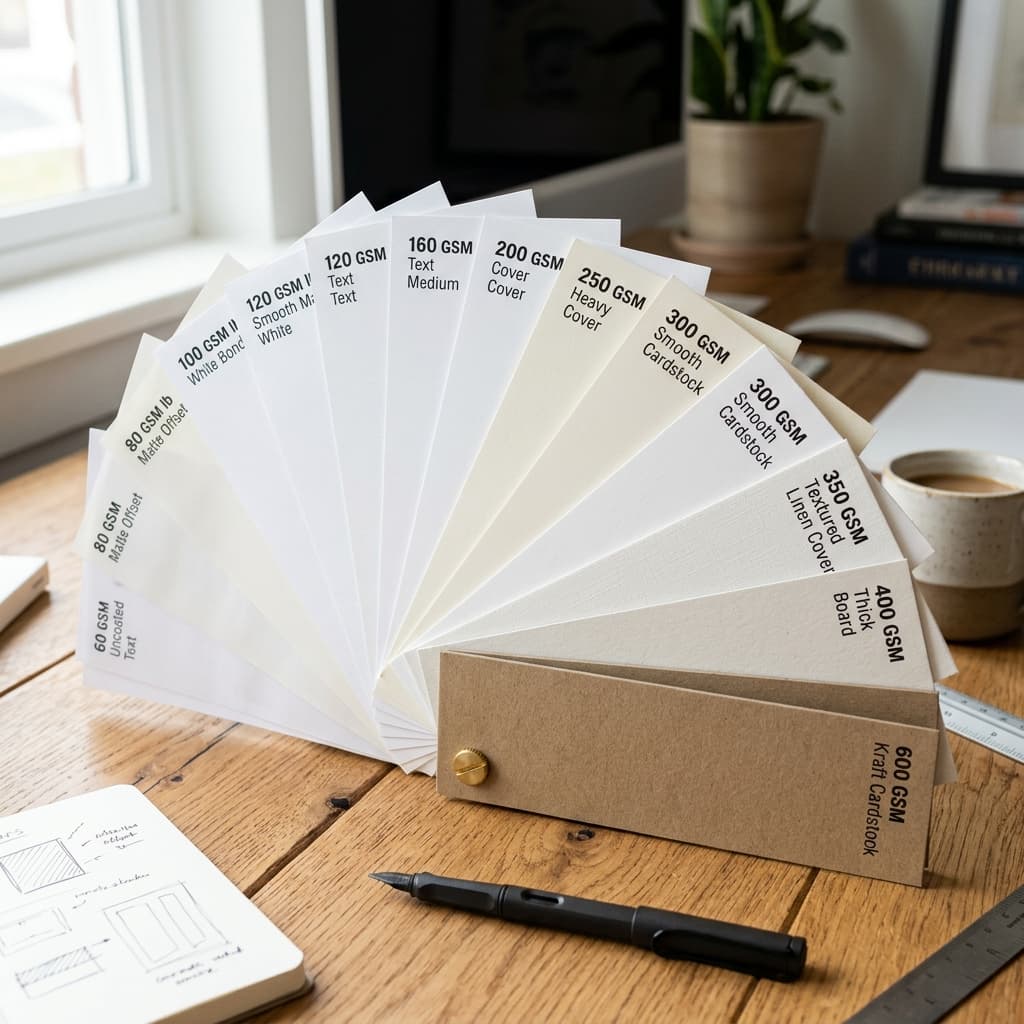
What GSM actually measures, how it differs from thickness and calliper, and which paper weight to specify for business cards, brochures, catalogues, cartons and rigid boxes.
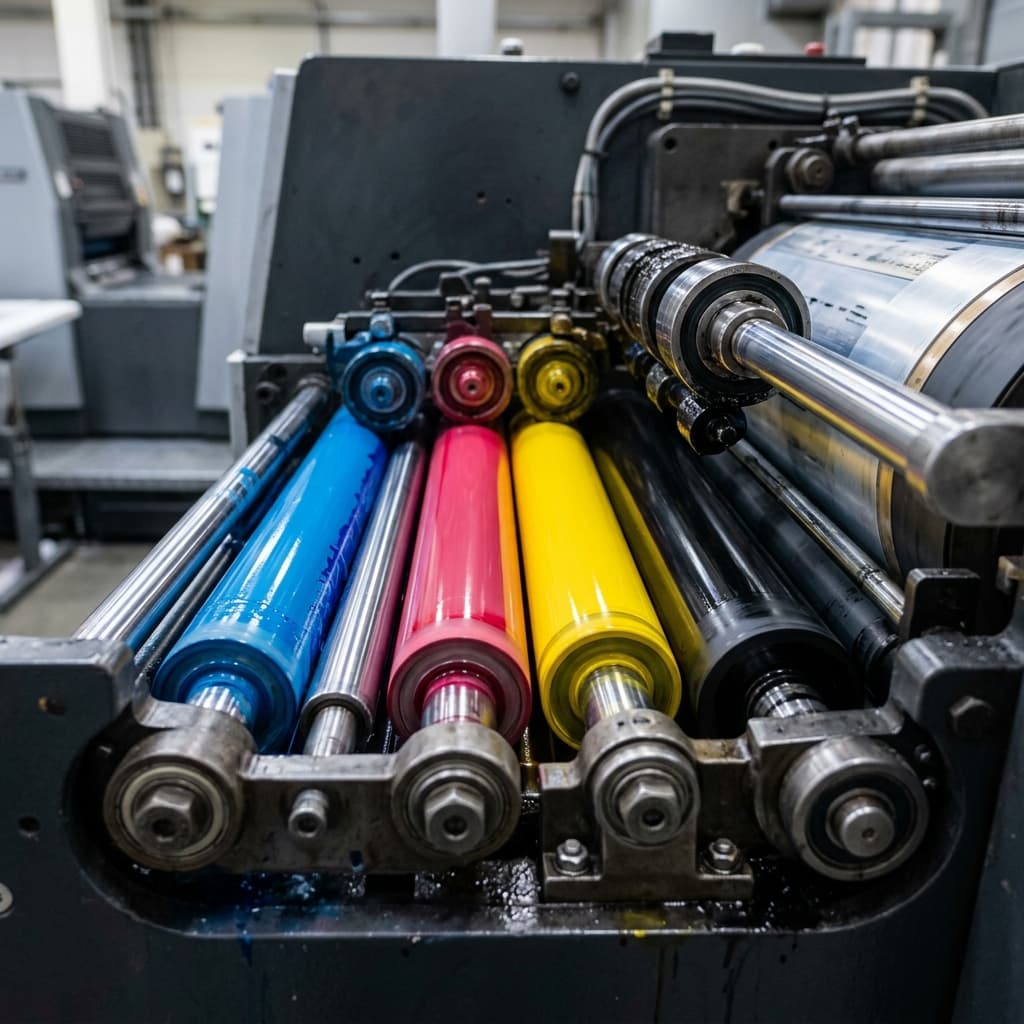
How offset and digital printing actually differ in setup, unit economics, colour accuracy, substrate range and turnaround, and how to decide which one your job belongs on.

A side-by-side comparison of gloss, matte, soft-touch, spot UV, foil stamping, embossing and debossing — how each behaves, what it costs you in durability and lead time, and which substrates take it.
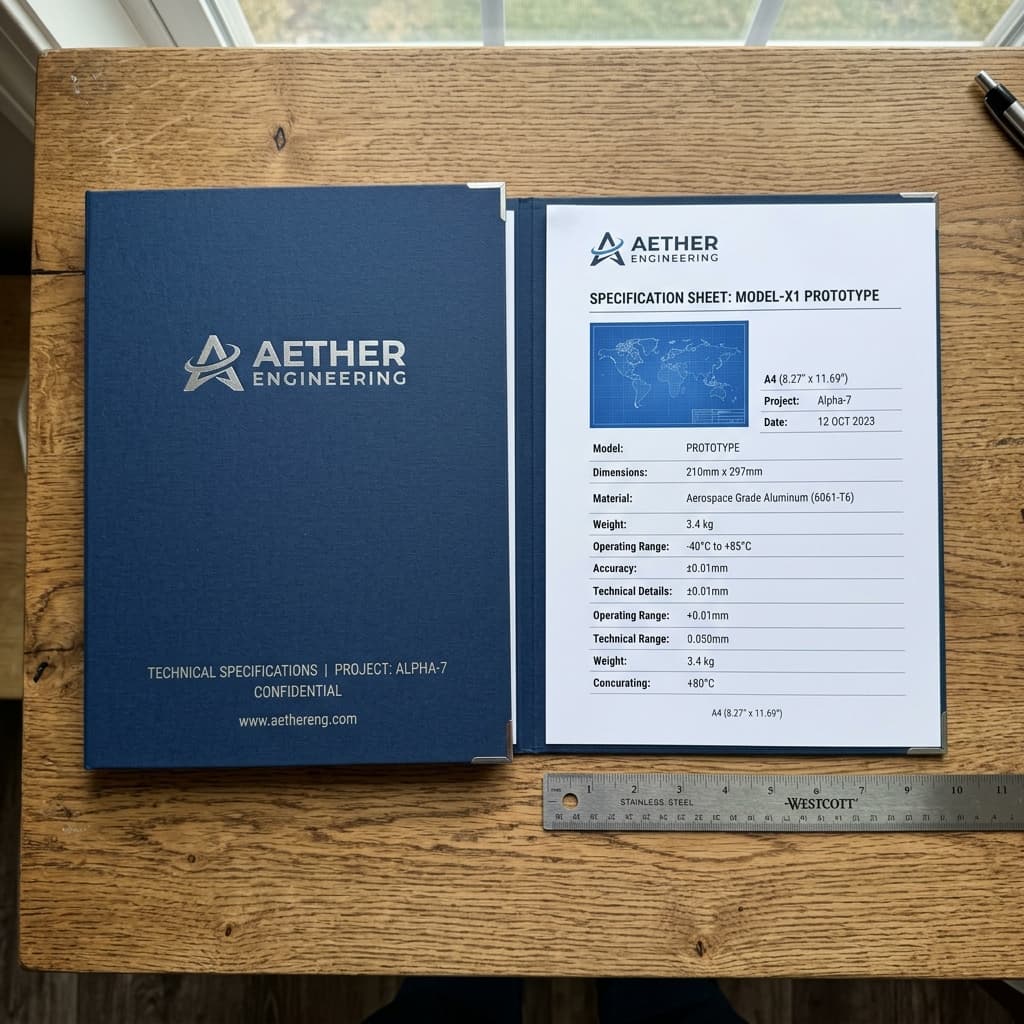
A practical checklist of everything a printer needs before a quote is meaningful — dimensions, quantities, substrate, finishing, artwork state, delivery and deadline — and why vague briefs produce misleading numbers.
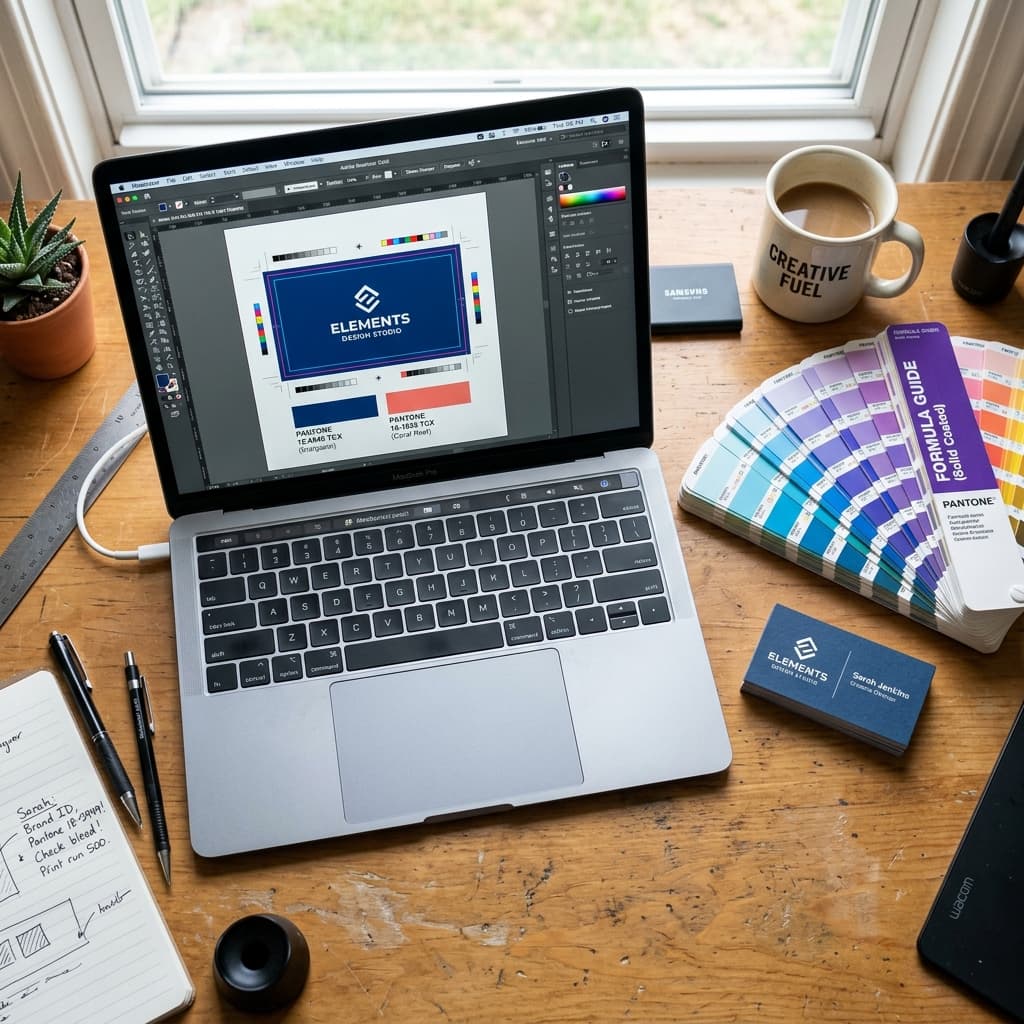
Colour mode, resolution, bleed and safe zones, font outlining, dieline layers, overprint and trapping, spot colours and file packaging — the full pre-flight checklist for print-ready packaging artwork.

A stage-by-stage account of rigid box manufacturing — board selection, cutting, corner forming, wrap printing, wrapping, turn-in, insert fitting and quality control — and where each stage can go wrong.
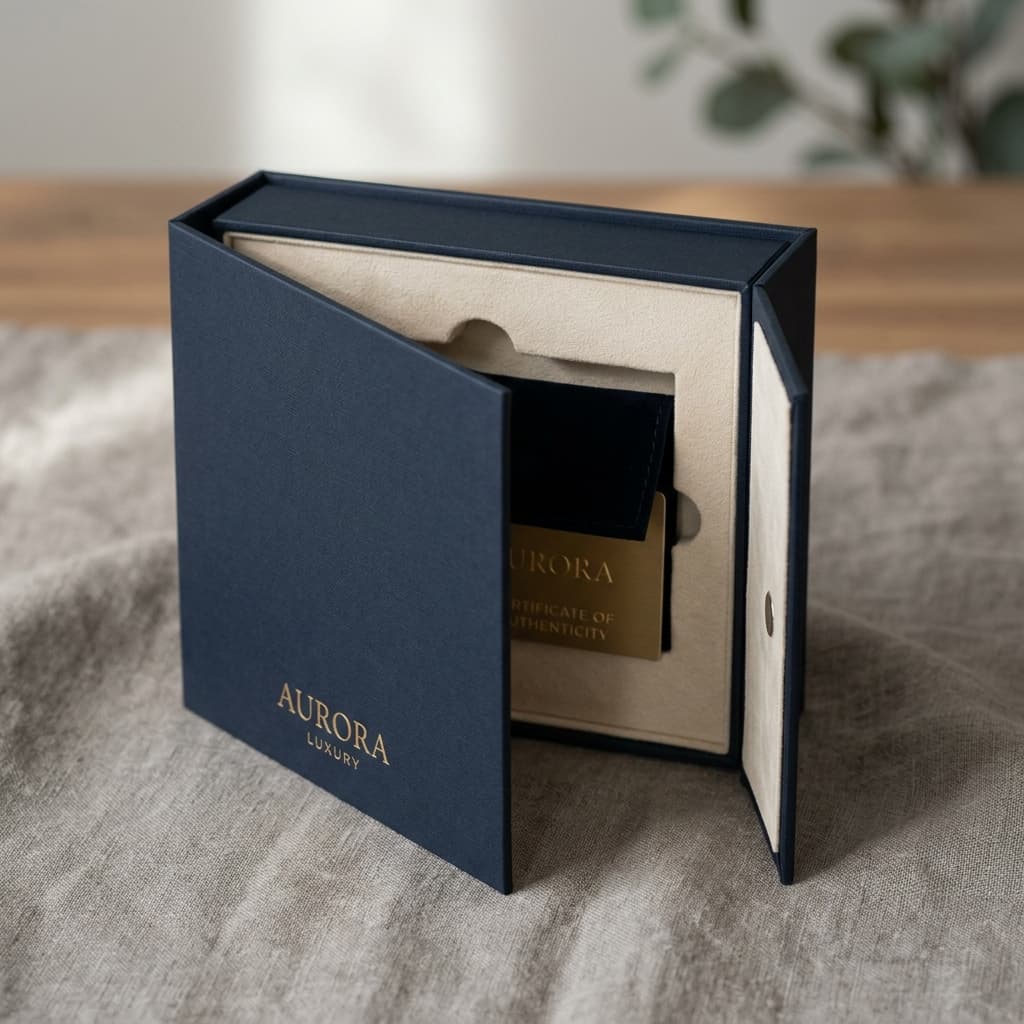
How magnetic closure boxes are built, the difference between book-style and two-piece constructions, how magnet placement and strength are decided, and when a magnetic closure is the wrong choice.

Everything that decides the quality of a coffee table book — trim size, paper stock and opacity, binding method, cover construction, dust jackets, colour management and proofing.

Page count planning, binding selection, paper choice for photography, grid and layout decisions, bleed and trim, CMYK conversion pitfalls and the pre-press checks that decide whether a catalogue works.

Hot foil versus cold foil, how the die is made, which substrates release foil cleanly, foil finishes beyond gold, combining foil with embossing, and the artwork rules that prevent a failed stamp.

Stock weights and duplexing, coated versus uncoated, soft-touch and velvet finishes, spot UV, foil, letterpress, edge painting and die-cutting — and the specification details that decide whether a card feels considered.

Mailer boxes versus poly bags versus rigid boxes, how courier handling should drive your material choice, dimensional weight, interior branding, and a framework for working out what packaging is actually worth to you.

Why MOQs exist, what genuinely drives them — tooling, sheet yield, material minimums and setup — how they differ by product type, and the levers that let a smaller brand get a workable minimum.

Carton and rigid box formats for serums, creams and multi-SKU kits, how primary container shape drives secondary packaging, protecting product from light and damage, and which Indian regulations govern what appears on the pack.

Site brochures, floor plan booklets, presentation folders, sales gallery collateral and handover documentation — what each piece does in a property sale, and the print specifications that suit them.

An opinionated read on where Indian packaging design is actually going — regulatory pressure, the retreat from maximalism, interior branding, structural differentiation, and which trends are worth following.