
What Is a Monocarton? Meaning, Board Grades, Styles and Uses
Founder, RoboSouls •
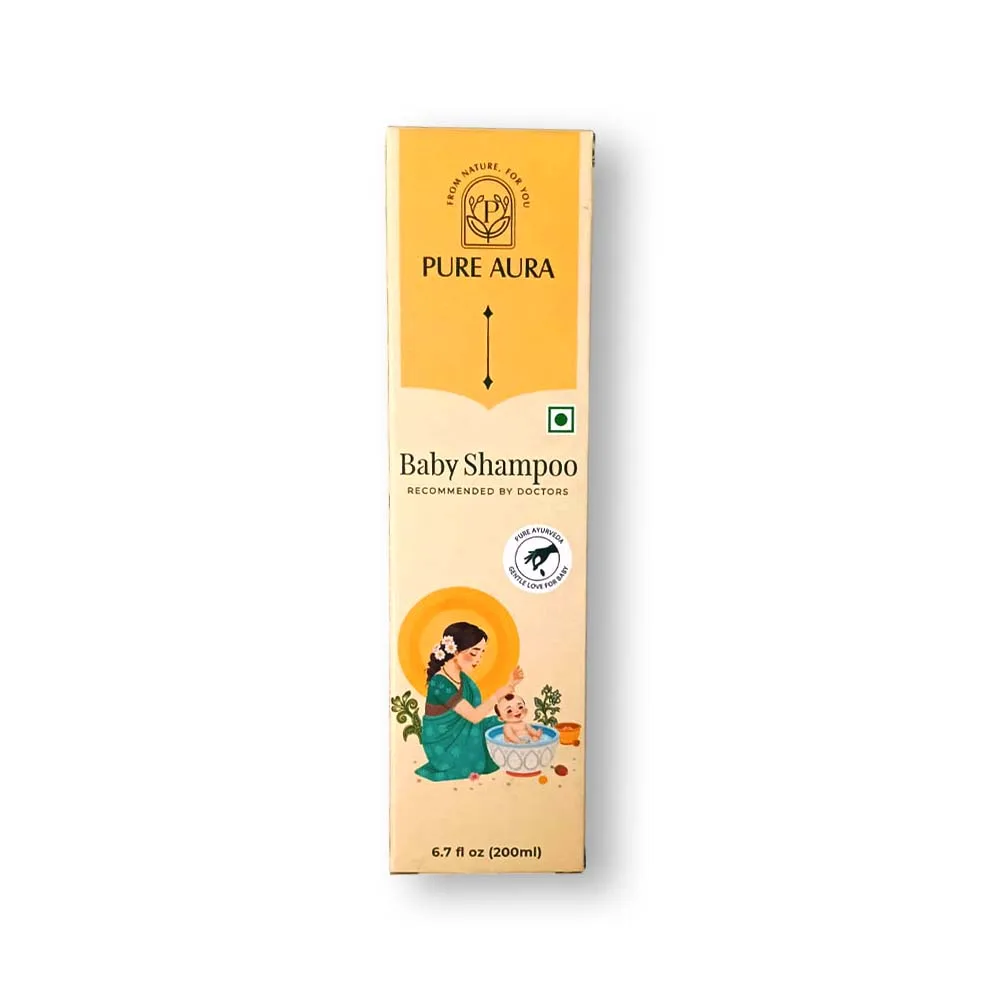
Executive Summary
A monocarton is a single-piece folding box made from one sheet of paperboard, printed, die-cut, creased and glued, then shipped flat and folded into shape when the product is packed. It is the standard retail box for cosmetics, pharmaceuticals, food and FMCG products. Monocartons are usually made from coated paperboard of roughly 250 to 450 GSM, closed with tuck flaps or a lock bottom, and finished with lamination, UV, foil or embossing. They are lighter and cheaper to store than rigid boxes, and are not built to survive courier transit on their own.
Key takeaways
- A monocarton is one sheet of paperboard, die-cut and glued into a box that ships flat.
- It is a retail display box, not a shipping box: it usually travels inside a corrugated outer.
- Board weight typically sits between 250 and 450 GSM, chosen for the size and weight of the product.
- The closure style (tuck end, lock bottom) is set by how heavy the product is and how fast it is packed.
- Every finish used on rigid boxes, from foil to soft-touch, can be applied to a monocarton.
1. What a monocarton is
Key Takeaway
A monocarton is a folding box made from a single sheet of paperboard. It is printed flat, die-cut, creased and glued at one seam, then delivered flat and folded into a box at packing.
The word means one carton: one piece of board, one box. A sheet of paperboard is printed, then cut to the box's outline by a die, which also presses crease lines where it will fold. A single side seam is glued, and the carton leaves the factory flat. At the packing line it is squared up, the product goes in, and the end flaps close it. That flat-to-box construction is what defines a monocarton and separates it from a rigid box, which is built up from thick board and keeps its shape, and from a corrugated box, which has a fluted layer for strength. Monocartons are also called folding cartons, and in India the two names are used for the same thing.
2. Monocarton vs rigid box vs corrugated box
Key Takeaway
A monocarton is for retail display and ships flat. A rigid box is a premium, set-up presentation box. A corrugated box is for shipping and protection.
The three are often confused because all three are cardboard boxes. They do different jobs. The monocarton is the box a customer sees on a shelf: printed all over, light, and cheap to store because it arrives flat. A rigid box is the premium option, thick greyboard wrapped in printed paper, used where the box is part of the product's value. A corrugated box protects goods in transit and is usually the outer that carries several monocartons, or a mailer that ships one product to a customer's door.
Related: Rigid box vs monocarton vs mailer box, compared in full
| Monocarton | Rigid box | Corrugated / mailer | |
|---|---|---|---|
| Made from | One sheet of paperboard | Greyboard wrapped in printed paper | Fluted corrugated board |
| Ships to you | Flat | Set up (or collapsible) | Flat |
| Main job | Retail display | Premium presentation | Transit protection |
| Typical use | Cosmetics, pharma, FMCG, food | Luxury goods, launches, sets | E-commerce shipping, outers |
3. Board grades and GSM
Key Takeaway
Monocartons are made from coated paperboard, typically between 250 and 450 GSM. Heavier products and larger boxes need heavier board.
Monocarton board is a paperboard with a coated white top surface that takes print well. Two families cover most work. Folding boxboard has a bright coated top and a lighter-coloured back, and is the common choice for cosmetics and FMCG. Solid bleached board is white through its full thickness, gives the cleanest print and cut edges, and is often chosen for pharmaceuticals and premium products. Grey-backed duplex board is a lower-cost option where the inside of the box is not seen. Weight typically falls between 250 and 450 GSM: a small, light carton such as a lipstick box sits at the lower end, a carton holding a glass bottle at the upper end. The exact board is agreed per job against the product's size and weight.
4. Closure styles
Key Takeaway
Reverse tuck end and straight tuck end cartons close with tuck flaps at both ends. Lock-bottom (crash-lock) cartons have a base that locks shut, for heavier products.
How a monocarton closes is set by the product's weight and how quickly it is packed. In a reverse tuck end carton, the top and bottom flaps tuck in from opposite sides; it is the most common style for light products. In a straight tuck end carton, both flaps tuck from the same side, which gives a cleaner front panel. A lock-bottom carton has a base that folds and locks into place, so it holds a heavier product without the bottom flap giving way. A crash-lock (auto-bottom) carton is pre-glued so its base snaps into shape as the box is opened, which speeds up packing on high volumes. Sleeves, hanging tabs and window cut-outs can be added to most styles.
- Reverse tuck end: the everyday style for light products
- Straight tuck end: both flaps on one side, for a clean front panel
- Lock bottom: a folded locking base for heavier products
- Crash lock (auto bottom): pre-glued base that sets up in one move
5. Print and finishing
Key Takeaway
Monocartons are usually offset printed and can carry the same finishes as premium packaging: gloss or matte lamination, soft-touch, spot UV, foil stamping, embossing and debossing.
Because the carton is printed flat on a sheet, it can carry full-colour artwork on every panel and inside. RoboSouls prints monocartons offset, in-house, on sheets up to 28 × 40 inches, and does all finishing in-house: foil stamping, embossing, debossing, UV coating and soft-touch lamination. A matte or soft-touch laminate with a spot UV or foil logo is a common premium combination. The dieline, the flat template showing cuts, creases and glue areas, is also created in-house to the product's exact dimensions.
Related: Packaging finishes compared · How to design a packaging box, step by step
6. How to specify a monocarton
Key Takeaway
Share the product's dimensions and weight, the quantity, the closure style, the board if you have a preference, the finishes, and your artwork. MOQ and lead time are confirmed when RoboSouls quotes.
A good brief makes the first quote accurate. Measure the product, or the bottle or jar it sits in, and say how much it weighs. Give the quantity and any variants, such as sizes or flavours that share one structure. Say how the carton should close, or ask for a recommendation. List the finishes you want and supply artwork, or ask RoboSouls to adapt it. Labelling rules apply to retail packaging in India, so the panels must leave room for the declarations the product needs. The minimum order and lead time depend on the board, the finishes and the quantity, and are confirmed when RoboSouls quotes.
- Product dimensions (L × W × H) and weight
- Quantity, and variants that share a structure
- Closure style, or ask for a recommendation
- Board preference, if any
- Finishes: lamination, spot UV, foil, emboss
- Artwork, or a request to design or adapt it
Summary Overview
A monocarton is the workhorse of retail packaging: one sheet of paperboard, printed and finished, that ships flat and folds into a box at the packing line. Choose the board for the product's weight, the closure for how it is packed, and the finishes for the shelf it will sit on. Then send the brief to RoboSouls for a quote.
Frequently asked questions
What is a monocarton?
A single-piece folding box made from one sheet of paperboard. It is printed flat, die-cut, creased and glued at one seam, shipped flat, and folded into a box when the product is packed. It is the standard retail box for cosmetics, pharmaceuticals, food and FMCG.
What is the difference between a monocarton and a folding carton?
In practice there is none. Both names describe a single-piece paperboard box that ships flat. 'Monocarton' is the more common term in India.
What GSM is used for monocartons?
Typically between 250 and 450 GSM coated paperboard. Light, small products use the lower end; larger cartons and heavier products such as glass bottles need heavier board. The exact board is agreed per job.
Is a monocarton strong enough to ship by courier?
Not on its own. A monocarton is a display box. For courier delivery it normally goes inside a corrugated outer or a mailer box.
What is the minimum order for monocartons?
It depends on the board, size and finishes, because setup work such as the die and printing plates is the same whatever the run length. RoboSouls confirms the minimum and the lead time for your job when it quotes.
Technical Consultation
Need specific specifications for your project?
Send us the format, quantity and finish you are considering, and we will come back with a specification and a quote. Lead time is confirmed with the quote.